

Indian weddings are vibrant multi-day celebrations where each function has its own dress code and traditions. Whether you’re attending your first Indian wedding or want to refresh your approach, understanding what to wear helps you celebrate confidently while respecting cultural customs.
In this guide, you’ll learn the specific dress codes for each ceremony, colour guidelines that honour tradition, and practical shopping tips to find outfits that look stunning in person and in photos.
Understanding Indian Wedding Functions
Most Indian weddings include 3-4 main events, each with distinct dress expectations. According to wedding tradition experts, guests typically need different outfits for each function, ranging from comfortable daywear to formal evening attire.
“The key is matching your outfit to both the formality of the event and your relationship to the couple,” explains Rohan Oberoi, senior stylist at Bombay Trendz. “Close family might wear heavier, more ornate pieces, while friends can choose lighter, more comfortable options.”
Dress Code by Wedding Function
Mehendi Ceremony
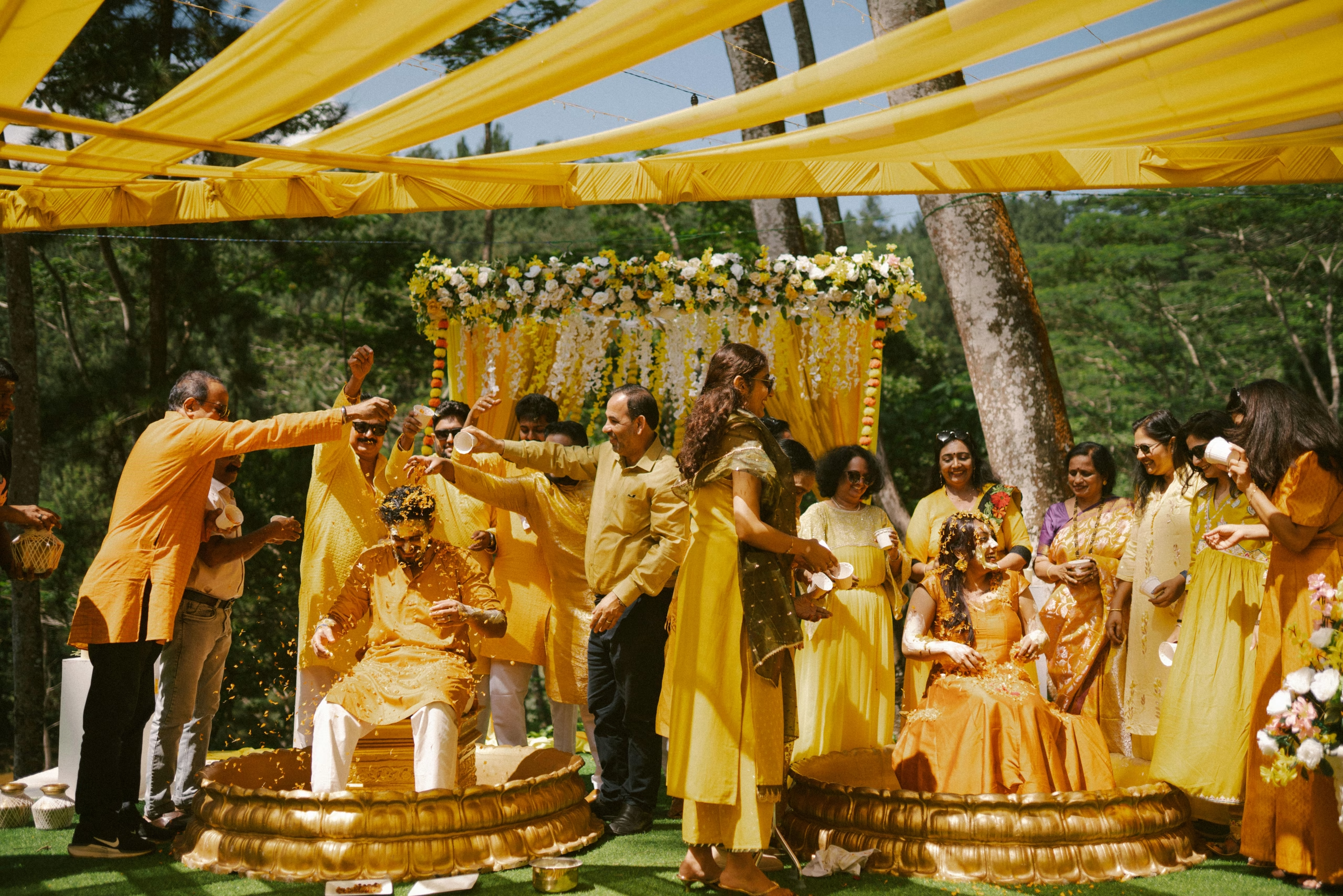
Mehendi functions are typically daytime events focused on henna application and casual celebration. Comfort is essential since you’ll be sitting for extended periods.
Best choices for women:
- Anarkali suits in cotton or chiffon
- Palazzo sets with embroidered kurtas
- Lightweight lehengas with shorter tops
- Printed salwar kameez sets
Best choices for men:
- Cotton kurta pajama sets
- Nehru jackets over plain kurtas
- Linen shirts with casual churidar
- Light-colored sherwanis for close family
Color palette: Yellow and green are traditional, but any bright, cheerful color works beautifully.
Sangeet Night
Sangeet events center around dancing and performances, so your outfit needs to move with you while still looking polished.
Women’s options:
- Crop top and skirt sets
- Short or mid-length anarkalis
- Indo-western fusion pieces
- Pre-pleated sarees or dhoti-style draping
Men’s options:
- Bandhgala suits
- Fitted kurta with churidar
- Indo-western blazers paired with kurtas
- Waistcoats over collared shirts
Styling tip: Choose secure fits and breathable fabrics. Avoid long dupattas or heavy jewelry that might interfere with dancing.
Wedding Ceremony
The main ceremony requires your most formal traditional attire. This is where rich fabrics, intricate embroidery, and jewel tones truly shine.
For women:
- Heavy silk sarees with gold borders
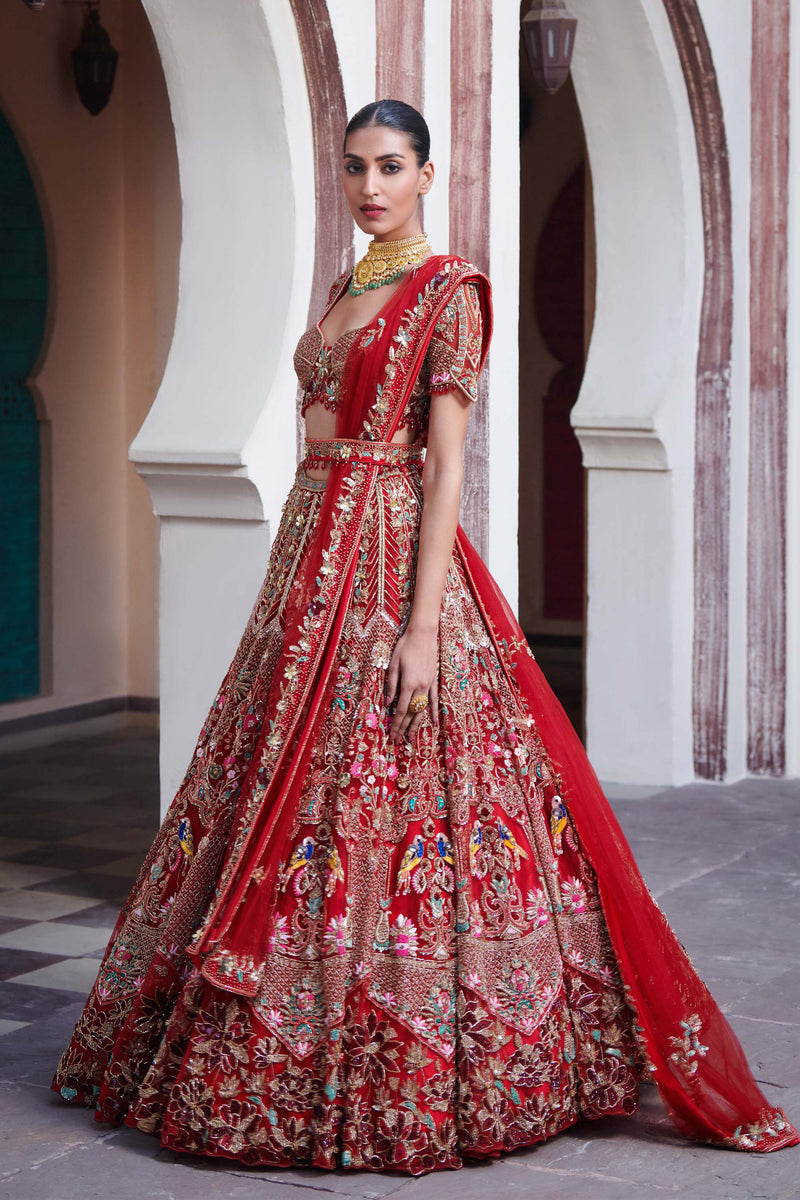
- Embellished lehengas in deep colors
- Banarasi or Kanjeevaram sarees
- Traditional regional outfits specific to the family’s background
For men:
- Silk or brocade sherwanis
- Traditional dhoti with silk kurta
- Achkan or formal Indo-western suits
- Regional formal wear based on family traditions
Reception
Receptions blend traditional and contemporary styling. Fashion experts note that modern receptions allow more experimental approaches while maintaining cultural elements.
Women’s reception attire:
- Designer sarees with contemporary blouses
- Gowns with Indian embroidery details
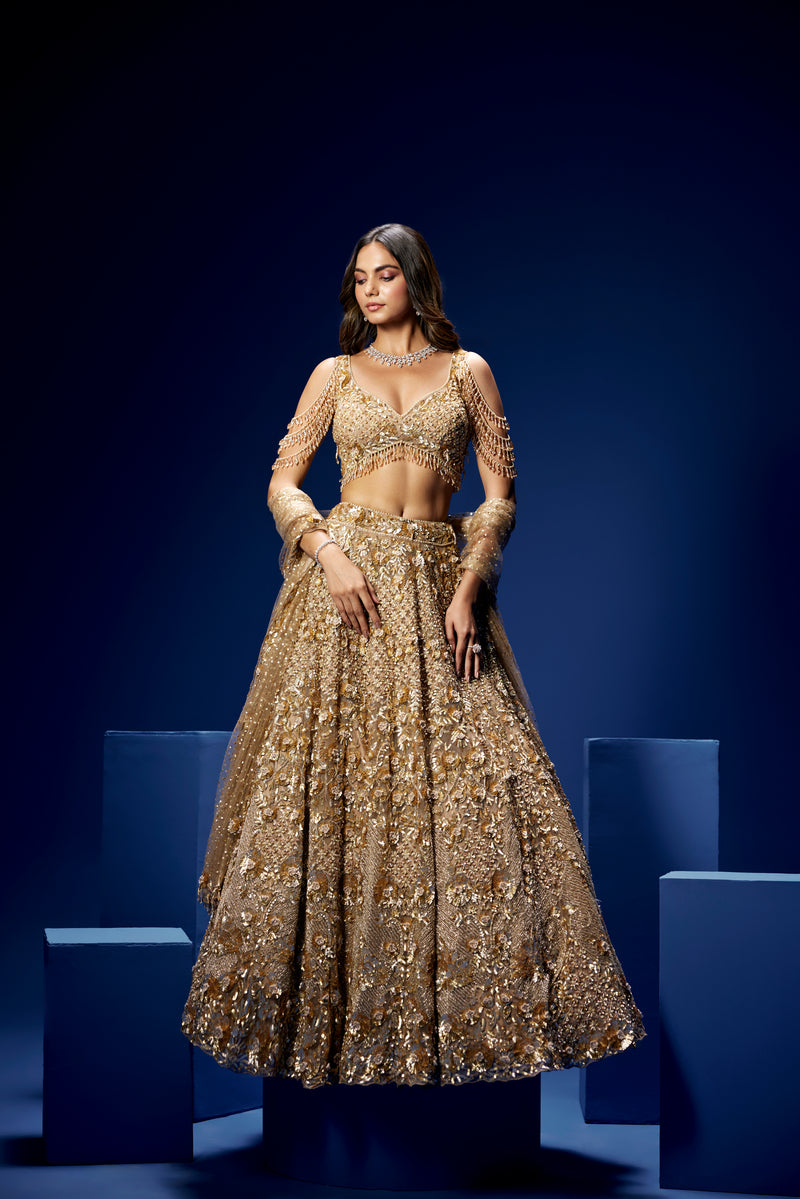
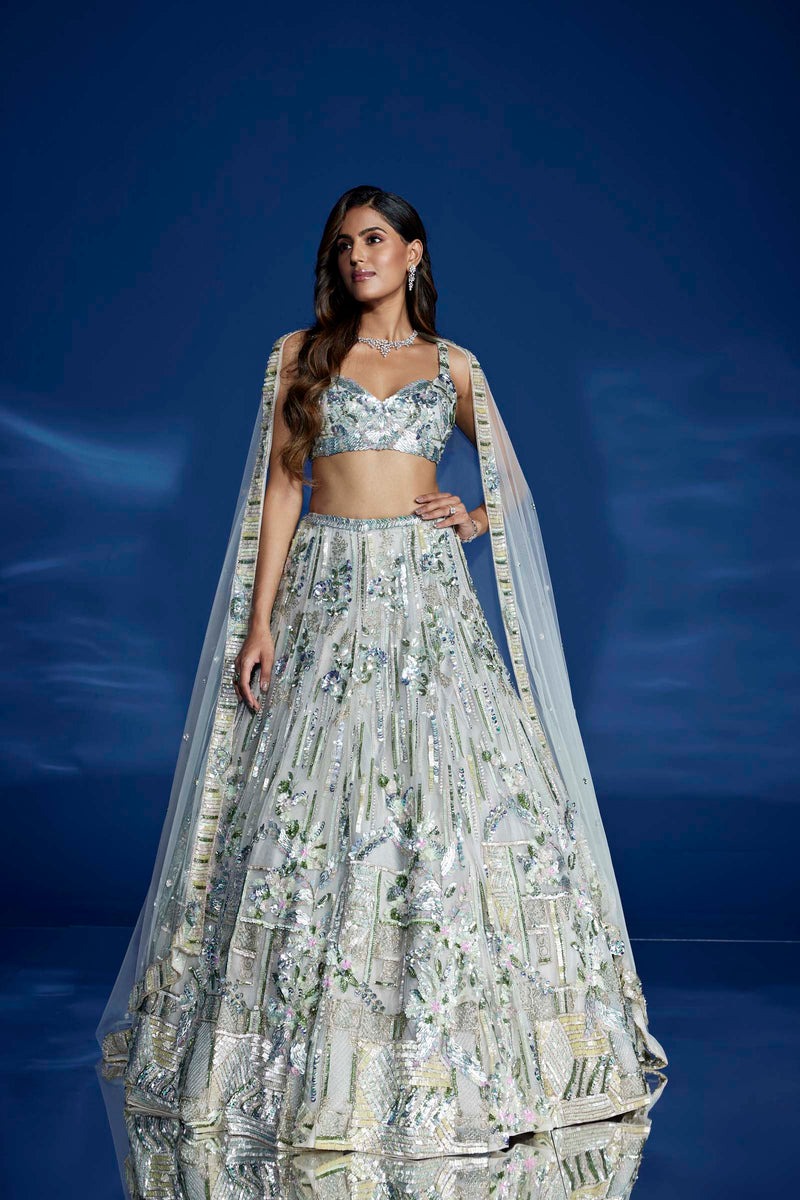
- Modern lehenga cuts and styling
- Sharara or gharara sets
Men’s reception attire:
- Bandhgala suits in luxury fabrics
- Tuxedos with Indian accent pieces
- Designer sherwanis
- Indo-western formal combinations
Color Guidelines That Honour Tradition
Colors to Choose
Vibrant, saturated colors photograph beautifully and celebrate the joyful nature of Indian weddings. Bridal fashion surveys show that 78% of wedding photographers recommend jewel tones for their rich appearance in photos.
- Jewel tones: Emerald green, royal blue, deep purple, sapphire
- Warm celebratory colors: Fuchsia, coral, orange, golden yellow
- Metallics: Gold, bronze, and copper accents
- Soft colors: Pastels work well for daytime mehendi functions
Colors to Avoid
- White: Often reserved for mourning in some regions
- Black: Traditionally considered inauspicious
- Bright red: Typically reserved for brides
- All-white combinations: Can appear culturally inappropriate
“When in doubt, ask the family about color preferences,” suggests Karan, who has styled guests for over 200 Indian weddings. “Some families embrace modern approaches to color, while others prefer traditional guidelines.”
Fabric and Fit Considerations
Choosing Wedding-Appropriate Fabrics
Indian weddings often involve long ceremonies, outdoor venues, and temperature changes throughout the day. Your fabric choice affects both comfort and appearance.
Recommended fabrics by function:
- Silk (Banarasi, Kanjeevaram, raw silk): Perfect for formal ceremonies
- Chiffon: Lightweight and elegant for mehendi and sangeet
- Georgette: Drapes beautifully and photographs well
- Cotton blends: Comfortable for extended daytime events
- Velvet and brocade: Luxurious options for evening receptions
Ensuring Proper Fit
Well-fitted traditional wear ensures you’re comfortable throughout long celebration days while looking polished in photos.
- Allow extra room through the waist for sitting during ceremonies
- Ensure blouse and choli fittings provide support without being restrictive
- Choose breathable inner linings, especially for summer weddings
- Test your outfit’s mobility before the event
- Bring comfortable backup footwear
Shopping Timeline for Indian Wedding Attire
8-10 Weeks Before the Wedding
- Confirm dress codes for each function with the family
- Schedule styling consultations at local boutiques
- Browse collections and place orders for custom pieces
- Book initial fitting appointments
4-6 Weeks Before
- Complete primary fittings and adjustments
- Select coordinating accessories and jewelry
- Plan hair and makeup looks for each function
- Arrange men’s formal wear fittings
1-2 Weeks Before
- Final outfit trials with all accessories
- Steam or professionally press all garments
- Pack comfort essentials and backup items
- Confirm styling and alteration appointments
Why Local Boutique Shopping Makes a Difference
Shopping for Indian wedding attire in the GTA offers distinct advantages over online ordering. Local boutiques provide personalized fitting services, fabric quality assessment, and cultural styling guidance that ensures your outfits photograph beautifully and feel comfortable throughout long celebration days.
Professional styling consultations help navigate traditional expectations while finding pieces that suit your personal style and budget. This approach eliminates the guesswork of online shopping and ensures proper fit for extended wear during multi-day celebrations.
FAQ
Can non-Indian guests wear traditional Indian clothing?
Absolutely. Wearing traditional Indian attire shows cultural appreciation and respect. Choose modest, well-fitted pieces in appropriate colors, and don’t hesitate to ask Indian friends or the family for guidance on specific customs.
What should plus-size guests consider when selecting outfits?
Focus on A-line silhouettes, empire waists, and flowing fabrics like georgette or chiffon. Many traditional Indian garments are naturally flattering for all body types. Professional fitting ensures proper support and comfort.
Do different regional Indian weddings have specific dress requirements?
Yes. Punjabi, Bengali, South Indian, and Gujarati weddings may have distinct traditional elements. Research the family’s regional background or ask about preferred styles and ceremonial colors.
How should children dress for Indian wedding functions?
Children should wear traditional Indian clothing appropriate to each ceremony’s formality level. Choose comfortable fabrics and simpler designs that allow movement while maintaining cultural respect.
What’s appropriate for jewelry and accessories?
Indian weddings encourage ornate jewelry and accessories. Statement pieces, traditional gold jewelry, and cultural elements like maang tikka enhance your look. Avoid overpowering the bride during the main ceremony.
Should family members coordinate their outfits?
Coordination creates beautiful family photos but isn’t required. Consider complementary colors or similar styling elements rather than identical outfits, especially for immediate family members.